

Scenarios That May Call for Security Camera Installation
By Todd Stainbrook | October 30, 2026
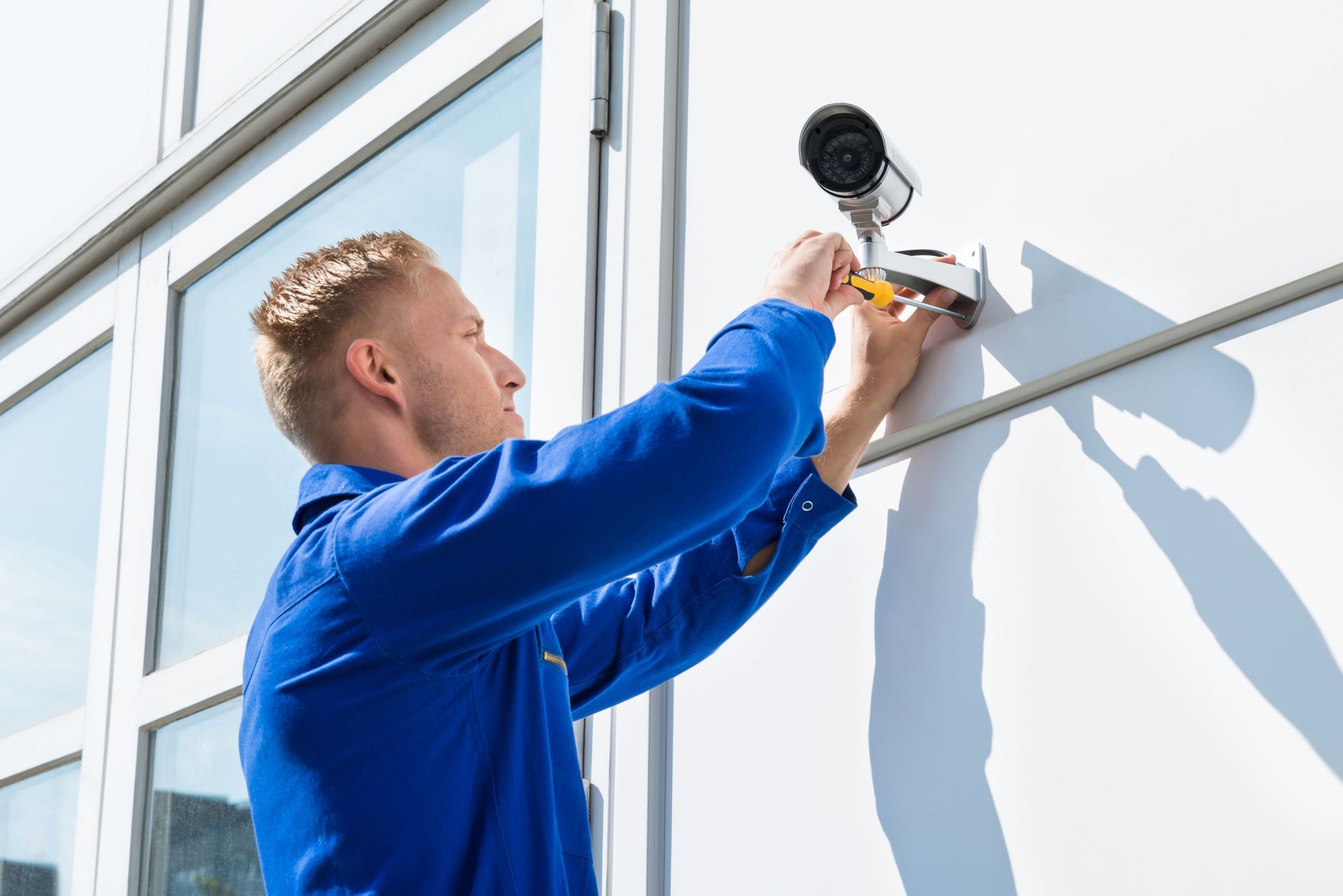
Security cameras have become a vital component in safeguarding homes and businesses. Understanding the specific scenarios that require their installation can help in making informed decisions. With the rise of innovative technology, security camera installation is now more accessible than ever, offering various options suited for different needs and budgets. Additionally, many security systems now integrate with smart home technology, allowing users to control cameras remotely. This integration enhances convenience and ensures timely alerts if any unusual activity is detected. As technology continues to evolve, the cost of high-quality security systems is decreasing, making them an affordable choice for a wider audience. In today’s digital age, having a comprehensive security system is not only practical but also an essential component of modern living.
Consider Location Vulnerability
Determining the necessity for security camera installation involves evaluating aspects like location vulnerability, past incidents, and overall security needs. Properties in high-crime areas or with valuable assets are prime candidates for enhanced surveillance measures. Additionally, prior experiences with theft, vandalism, or burglaries can strongly indicate the need to implement security cameras to deter potential intruders. Insurance companies often offer discounts for properties equipped with security systems, emphasizing their importance. Consulting with a security expert can provide insights into potential vulnerabilities and customized solutions. It is also essential to consider the willingness of neighbors to collaborate in monitoring shared community spaces for increased overall safety. An informed approach to assessing these factors will contribute to a comprehensive security strategy.
Besides geographical and historical factors, lifestyle and occupancy patterns play a pivotal role. For instance, households where members travel frequently or businesses that house expensive equipment, might find extra security beneficial. According to The Zebra, about 46.9% of people don't have a home security system installed in their home. This startling statistic highlights an opportunity for homeowners to leverage technology in fortifying their premises, potentially reducing crime rates significantly with the right security measures. Participating in neighborhood watch programs can complement security camera installation efforts, fostering a community-based approach to crime prevention. With the advent of portable cameras, temporary setups are now easier for occasional surveillance needs. As deterrents, visible cameras have been shown to reduce not only crime but also the fear of crime among residents. Including community engagement in safety planning can lead to stronger, more cohesive neighborhoods.
Identify Key Beneficiaries
While almost any property can benefit from surveillance, certain types indeed stand to gain more significantly. Residential properties, particularly those in isolated areas, can enjoy an added layer of protection. The visible presence of cameras acts as a deterrent to potential intruders, reassuring homeowners of their safety. Similarly, urban residences near bustling neighborhoods can use cameras to monitor entrances and exits, ensuring only authorized individuals gain access. Condominium complexes often implement centralized surveillance systems to monitor shared amenities like gyms and pools. Vacation homes, often left unoccupied for long periods, significantly benefit from remote monitoring. With zoning regulations evolving, urban planners increasingly incorporate surveillance into new development projects for increased communal safety. By identifying specific property vulnerabilities, further tailored security measures can be developed.
Commercial properties, on the other hand, face different challenges that make security cameras indispensable. Retail stores, for instance, often install cameras to keep an eye on customers and mitigate shoplifting losses. Warehouses and offices can benefit from monitoring foot traffic and ensuring security protocols are adhered to. Moreover, public spaces like parks and transportation hubs frequently use surveillance for both safety and maintaining public order. Industries dealing with sensitive information or high-value goods might require specialized surveillance to comply with legal and regulatory standards. Construction sites, frequently targeted for equipment theft, find great value in security cameras for asset management and incident documentation. In today's real estate market, properties advertised with comprehensive security measures are increasingly attractive to prospective buyers or tenants. The ripple effect of incorporating comprehensive security infrastructure extends beyond mere protection, enhancing overall operational efficiency.
Evaluate Important Features
When choosing security cameras, it's crucial to consider features that align with specific security objectives. High-definition resolution is key, as clear images can aid in identifying details crucial during investigations. Depending on the installation area's lighting conditions, cameras with night vision capabilities are advantageous, ensuring round-the-clock monitoring. Motion detection and alert features add another layer of security, notifying users in real time of potential breaches. Two-way audio systems allow for interaction or warning, enhancing preventative strategies. Storage capacity is vital, with options ranging from local data management to cloud-based solutions offering scalable alternatives to meet user needs. Careful assessment of these options ensures that the installed system aligns with the specific requirements of the users.
An often-overlooked feature is resistance to outdoor elements, especially for outdoor security camera installations. Cameras should withstand various elements, from rain to extreme heat, without compromising performance. Additionally, wireless technology is revolutionizing security installations, offering an easy setup process that eliminates the need for extensive cabling and allows for remote monitoring through smartphones and tablets. Energy-efficient models powered by solar or battery technology align with sustainability goals. For advanced security, cameras equipped with analytics software can provide insights on patterns and anomalies. The latest models also integrate seamlessly with existing smart home ecosystems, providing a cohesive user experience. Staying up-to-date with emerging technologies ensures the security infrastructure remains cutting-edge and highly efficient.
Recognize Added Benefits
Security cameras significantly enhance safety by acting as the first line of detection. Their presence alone can deter criminals, making them think twice before attempting a break-in. They also provide valuable evidence in the unfortunate event of a crime, aiding law enforcement in apprehending offenders. Moreover, security cameras boost community confidence, as residents feel safer knowing potential threats are being monitored. By allowing remote access, users can check the security status of their properties from anywhere in the world. Cameras equipped with AI can detect anomalies, providing alerts for immediate response. The integration of facial recognition technology further enhances security protocols by accurately identifying known individuals. The growing sophistication of camera technology ensures robust security solutions are achievable with user-friendly interfaces.
From a business perspective, cameras contribute to operational efficiency. By providing live feeds and recordings, they can help management oversee operations, ensuring staff adhere to safety protocols and customer service standards. In the case of disputes, they serve as impartial witnesses, clarifying incidents and aiding in conflict resolution. The peace of mind derived from knowing that one's environment is secure cannot be overstated; it allows for the focus to remain on other important tasks and objectives. Security cameras also aid in regulatory compliance, ensuring that legal guidelines for safety and customer privacy are respected. They can serve as valuable tools in liability reduction, providing crucial evidence that can exonerate businesses during claims. Establishing a secure atmosphere is paramount in fostering customer trust and reinforcing brand reputation.
Deciding on security camera installation involves weighing the benefits and the challenges. By understanding key scenarios and considerations, individuals and businesses can make better choices that enhance safety and protect their investments. Whether it's for preventing theft, ensuring personal safety, or monitoring daily activities, security cameras provide a multifaceted solution to the diverse needs of modern-day security. As the demand for comprehensive security measures grows, embracing advanced surveillance technology becomes not just a recommendation but a necessity for a safer environment. Reach out to CIA Access to learn more about our security camera installation today.

Share On: